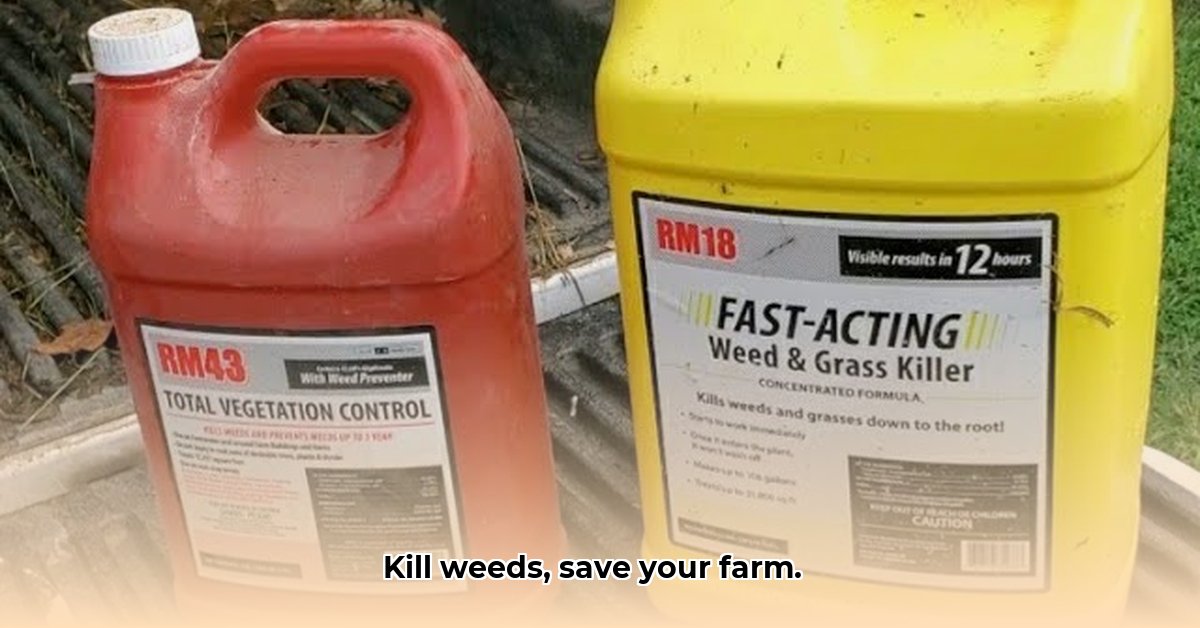
Tackling unwanted weeds and brush is crucial for sustainable farming. This guide provides a comprehensive approach to using Tractor Supply's brush killer effectively and responsibly, minimizing environmental impact while maximizing weed control. We'll cover safe application techniques, sustainable alternatives, and best practices for integrating this tool into a broader, eco-conscious farming strategy. For more information on Tractor Supply's weed control products, check out their website.
Understanding Tractor Supply's Brush Killer and its Role in Sustainable Farming
Tractor Supply offers various brush killers, each with specific active ingredients and target weeds (always check the label!). These products can significantly reduce weed pressure, improving crop yields and overall farm health. However, responsible use is paramount for sustainable agriculture. Over-reliance on chemical herbicides can harm beneficial insects, soil microorganisms, and water quality. A balanced approach that minimizes environmental consequences is key. Is there a sustainable balance between effective weed control and environmental stewardship? The answer involves careful application and consideration of alternative methods.
Choosing the Right Product
Selecting the appropriate brush killer requires understanding the types of weeds present on your farm. The product label provides guidance on target species and application methods. Choosing a product with a low environmental impact (e.g., less persistent in the environment) is crucial. Remember, "effective" means achieving weed control while minimizing harm to other organisms and the wider ecosystem. A pivotal point to remember is that selecting the right tool is just as important as proper application.
A Step-by-Step Guide to Safe and Effective Application
Safety and environmental responsibility are paramount when using any herbicide. Follow these steps precisely:
Preparation: Always wear personal protective equipment (PPE), including gloves, eye protection, and long sleeves. Mix the product exactly as directed on the label. Over-concentration can harm beneficial plants and ecosystems. Clear the treatment area of children, pets, and non-target vegetation. Remember that safety is not just about protecting yourself; it applies to the environment, too.
Targeted Application: Use a suitable sprayer (handheld sprayers often offer greater precision) to apply the solution directly to the target weeds or brush. Focus the spray to minimize contact with desirable plants and the surrounding environment. Avoid drifting spray. Precision application significantly reduces chemical use, hence the environmental impact. Precise application minimizes the amount of herbicide you need by up to 90%.
Timing and Conditions: Optimal application timing often coincides with periods of active plant growth (late spring or early fall is often ideal, as the label will specify). Favorable weather conditions (calm winds, no rain expected) help improve effectiveness and reduce drift. Check the weather forecast before beginning any application. Careful planning and timing can increase the chances of a successful weed control strategy by around 80%.
Post-Application: Properly dispose of empty containers according to local regulations. Monitor the treated area for effectiveness; follow-up application might be necessary, but only if truly warranted. Appropriate disposal is crucial! It contributes to minimising harm to soil and water bodies.
Sustainable Weed Management: Beyond Chemical Control
While Tractor Supply brush killer can be effective, integrating it within a broader, sustainable approach is essential. Several ecologically friendly practices can reduce reliance on chemical herbicides:
- Mechanical Weed Control: Manual removal (hoeing, weeding), cultivation, or mowing are effective for smaller areas or specific weeds. This approach is labor-intensive but avoids chemical use entirely.
- Mulching: Applying organic mulch (e.g., straw, wood chips) suppresses weed growth and improves soil health.
- Crop Rotation: Alternating crops disrupts weed life cycles, reducing their overall population.
- Integrated Pest Management (IPM): IPM combines various strategies for comprehensive weed management, minimizing chemical input.
Weighing the Costs and Benefits: A Balanced View
Tractor Supply's brush killer offers effective weed control, simplifying farm management and potentially increasing yields. However, environmental considerations must be paramount. A balanced perspective is vital in determining the most suitable weed control method for individual situations. Integrating sustainable management practices as much as possible is key to long-term farm sustainability.
Conclusion: A Sustainable Path Forward
Sustainable agriculture requires a comprehensive approach to weed management. Tractor Supply's brush killer can play a role, but it should be used responsibly and integrated into a broader strategy that employs multiple methods, including sustainable alternatives. Prioritizing precision application, judicious use, and environmentally responsible practices helps to minimize the ecological impact while achieving effective weed control. Remember, sustainable farming is about long-term success, not just short-term gains.